




Jiangxi Provincial People's Hospital performs province's first language decoding implantation using high-throughput brain-computer interface system
On March 11, 2026, the first language decoding implantation surgery using a 1024-channel high-throughput implantable brain-computer interface (BCI) was successfully performed at Honggutan Campus of Jiangxi Provincial People's Hospital. This surgery not only marks Jiangxi's emergence as a national leader in clinical translation of BCI technology but also brings hope to countless patients with aphasia caused by conditions such as amyotrophic lateral sclerosis (ALS) or stroke sequelae.
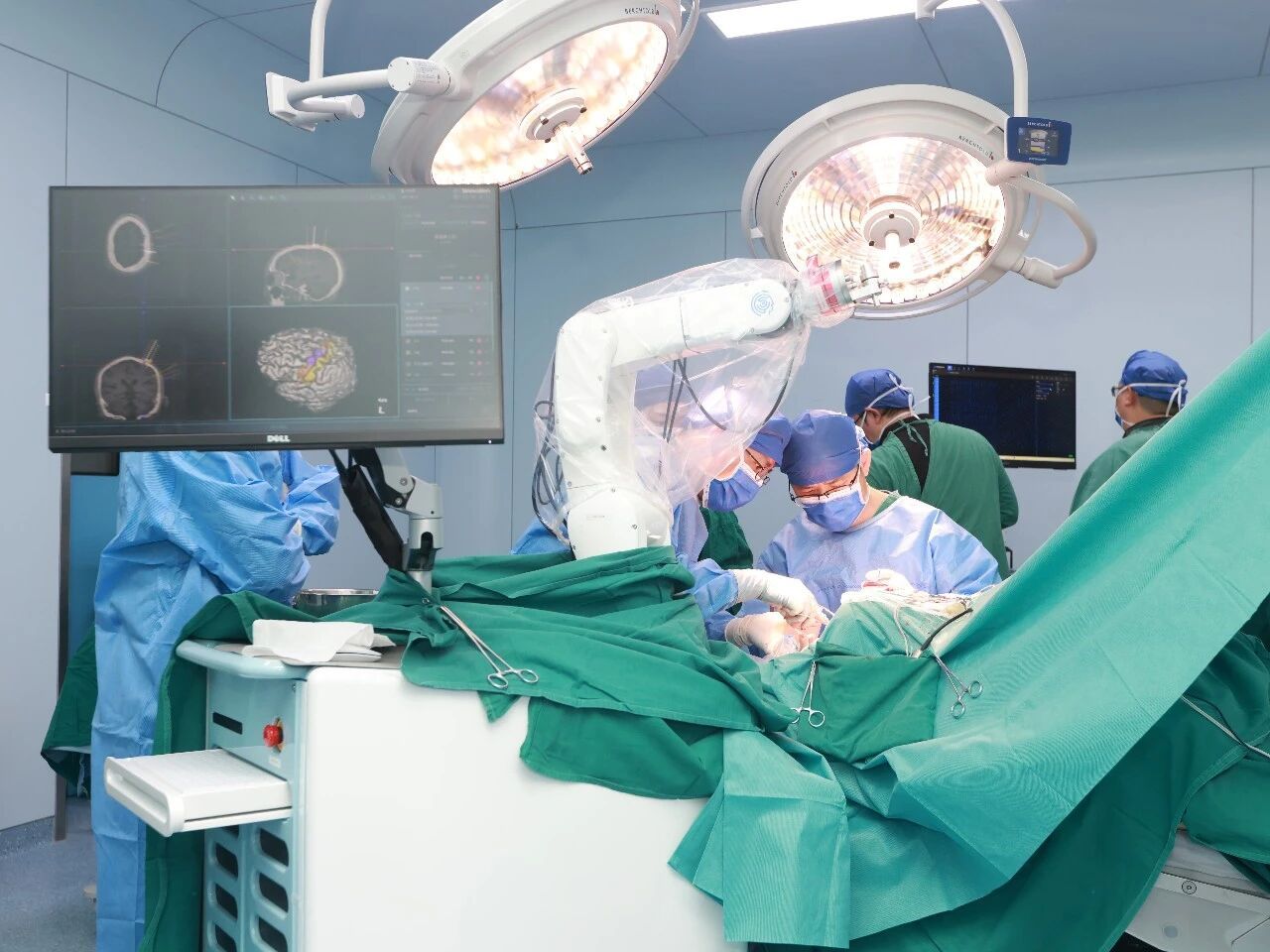
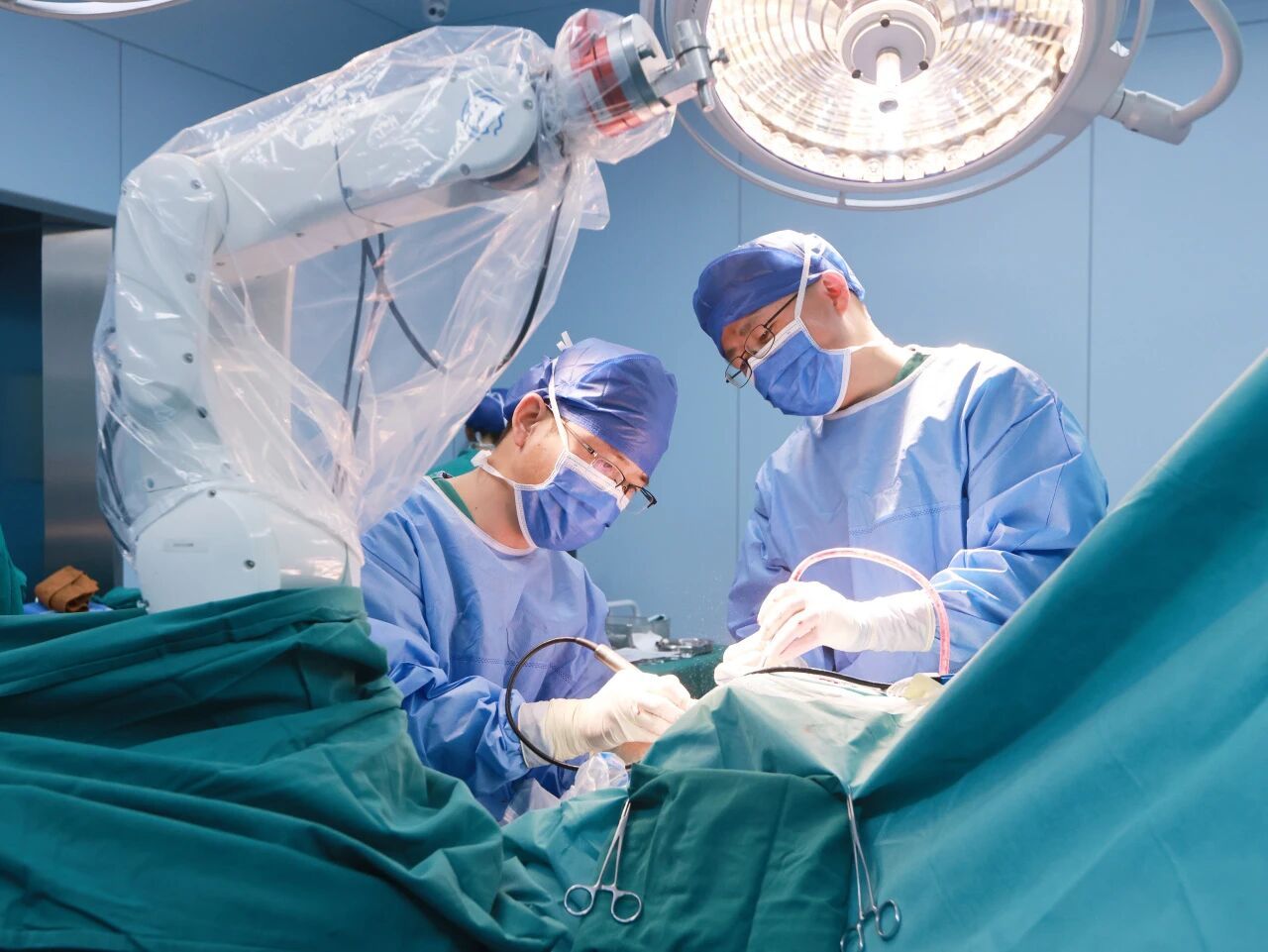
The patient was a male with severe language dysfunction and limb paralysis resulting from a brainstem hemorrhage. On March 11, Wan Dengfeng and Song Tao, Vice Directors of Xiangya Hospital Jiangxi Hospital of Central South University, coordinated and guided the development of a comprehensive preoperative plan. The surgical team, led by Chief Neurosurgeon Zhang Jianzhong, successfully implanted a high-throughput flexible electrode with 1,024 neural signal acquisition channels into the patient's cortical language motor center area using a high-precision neurosurgical robot. Intraoperative electrode impedance testing was normal, and EEG signal acquisition was satisfactory. Compared with traditional low-channel BCIs, this 1024-channel electrode simultaneously captures neuronal firing information on a larger scale and at higher resolution, enabling precise capture and decoding of complex language signals.
After recovering well from the surgery, the patient will begin external device-based acquisition and recording of neural electrical signals, along with various basic language and function training. Collaborating with decoding algorithm engineers, the patient will attempt to control on-screen cursors and generate language output through "thought." The system will record signals simultaneously and continuously optimize the decoding model. Subsequently, attempts will be made to connect functional external assistive devices for real-world task training.
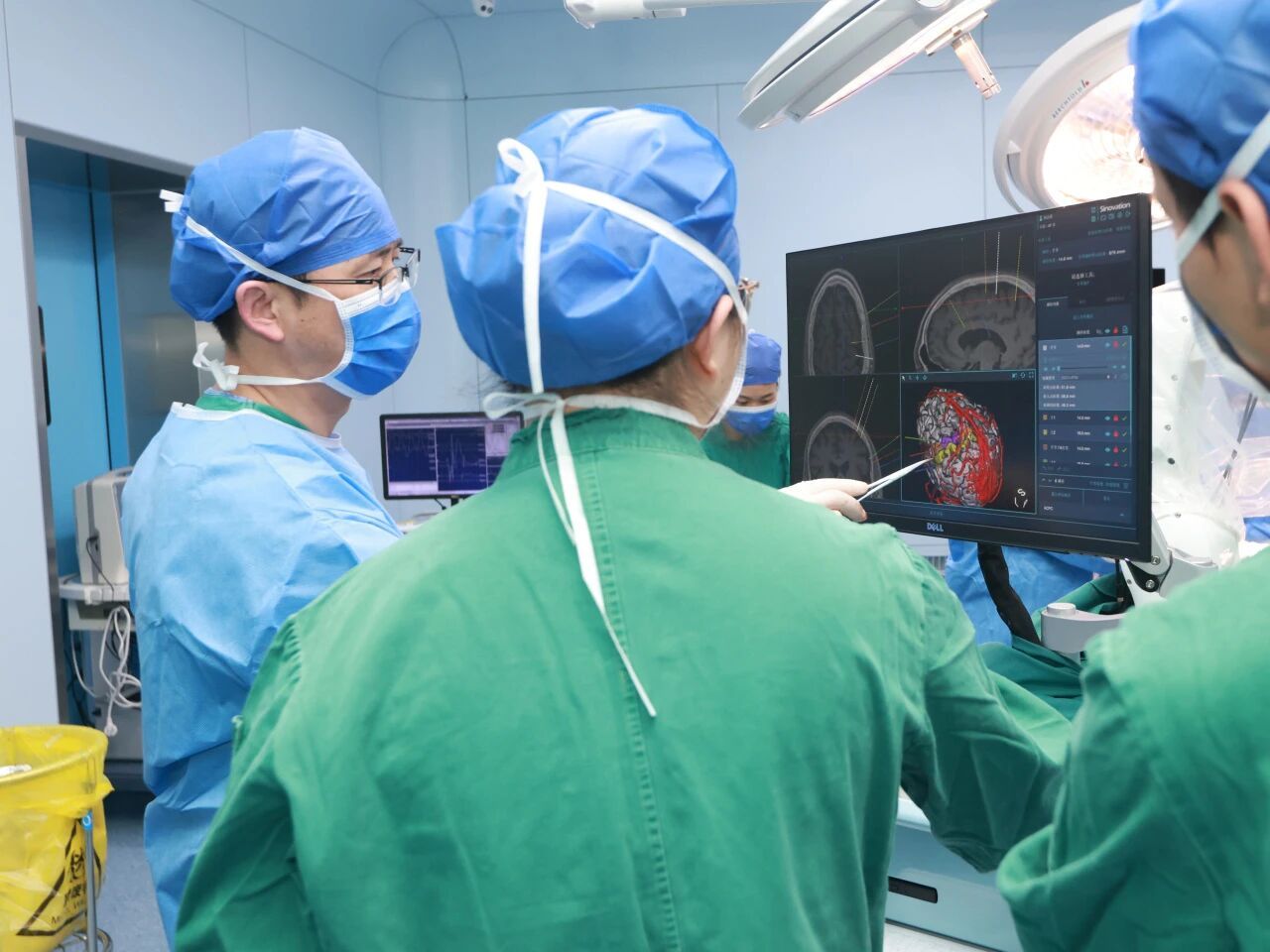
The successful implementation of Jiangxi's first "high-throughput brain-computer interface system" surgery serves as a vivid illustration of the province's high-level push to advance future industrial development. At the end of 2025, the Jiangxi Provincial Government issued the "Jiangxi Provincial Measures to Accelerate Brain-Computer Interface Technology and Industrial Development," providing full-chain policy support for this field, covering research breakthroughs, clinical trials, regulatory review, and industrial deployment. With the completion of the first 1024-channel language decoding implantation, Jiangxi has secured a key position in clinical BCI application in China and has accumulated valuable experience for future exploration of BCI applications in the rehabilitation of more neurological disorders.